
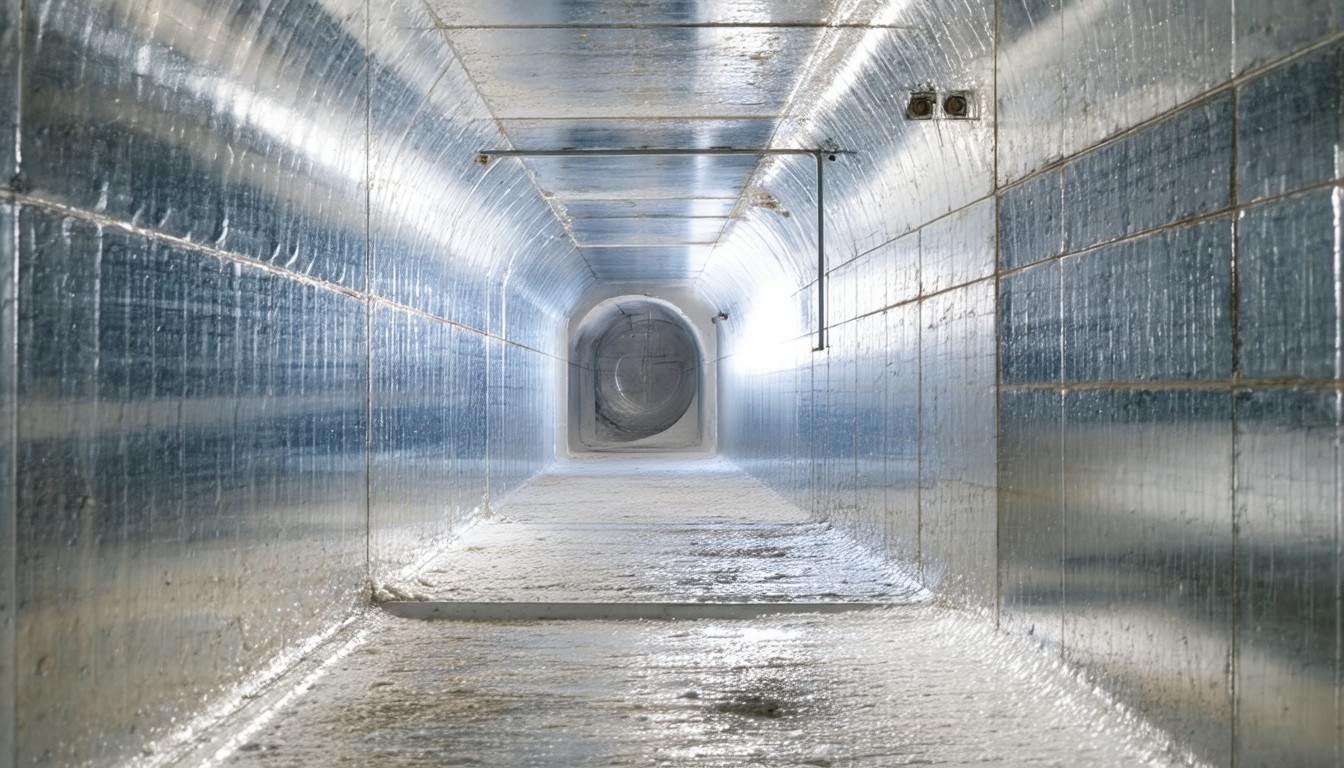
Indoor air quality is not just a concern for those with allergies or respiratory issues—it impacts everyone who spends time inside their home. According to the U.S. Environmental Protection Agency (EPA), indoor air can be two to five times more polluted than outdoor air, a surprising fact given the amount of time people spend indoors. With modern homes tightly sealed for energy efficiency, pollutants like dust, pet dander, volatile organic compounds (VOCs), and microbial growth often become trapped inside HVAC systems, circulating throughout living spaces.
The heightened awareness around respiratory health, especially in the wake of the COVID-19 pandemic, has turned the spotlight on proactive measures that contribute to a healthier home environment. Air duct cleaning has emerged as one such strategy, bridging the gap between visible cleanliness and the hidden reality inside our ventilation systems.
The Essentials of Air Duct Cleaning
What Does Air Duct Cleaning Involve?
Professional air duct cleaning is a systematic process targeting the HVAC system’s supply and return ducts, grilles, diffusers, coils, and other components. Technicians use specialized vacuums, brushes, and blowers to dislodge and remove accumulated debris. The methods may include:
- Source removal: The core method, involving mechanical agitation and extraction.
- Point-of-contact vacuuming: Direct removal at each vent or register.
- Sanitizing treatments: Application of EPA-approved solutions for microbial growth, when warranted.
In practice, reputable providers adhere to standards set by organizations like the National Air Duct Cleaners Association (NADCA), which emphasize thorough cleaning and proper containment of dust.
Signs Your Air Ducts May Need Cleaning
While not every home requires immediate duct cleaning, certain conditions strongly indicate a need:
- Visible mold inside ductwork or on HVAC components
- Substantial dust or debris buildup emitting from vents
- Unexplained odors when HVAC runs
- Evidence of vermin or insect infestations
- Airflow issues or rooms that consistently feel stuffy
Beyond these warning signs, homeowners with pets, smokers, recent renovations (which produce fine dust), or allergies may benefit from more frequent attention to their ductwork.
Health Benefits Linked to Clean Air Ducts
Reducing Allergens and Pollutants
Accumulated dust, pollen, pet dander, and biological contaminants in air ducts can trigger allergies, asthma, and other respiratory conditions. Regular cleaning reduces the recirculation of these irritants, supporting improved respiratory comfort for occupants.
A study by the National Institutes of Health suggests that elevated indoor allergen exposure is correlated with increased asthma attacks and respiratory symptoms, particularly in children and the elderly. By intervening at the source—your HVAC system—air duct cleaning plays a role in larger strategies for allergy and asthma management.
Potential Impact on HVAC Efficiency
Ductwork choked with dust or debris forces HVAC systems to work harder, possibly raising energy bills and diminishing output. The U.S. Department of Energy notes that even something as small as a 0.042-inch buildup of dirt on heating or cooling coils can decrease system efficiency by up to 21%. Cleaner systems typically operate more smoothly, maintain better airflow, and require fewer repairs over time.
Expert Perspective
“While air duct cleaning alone isn’t a panacea for indoor air quality, it can be an important adjunct—especially when there’s visible contamination or a specific health concern,” says Dr. Karen Simmons, an indoor environmental health consultant. “Partnering it with regular HVAC maintenance and high-efficiency filtration offers the strongest foundation for a healthier home.”
Recognizing Air Duct Cleaning Myths vs. Facts
Common Misconceptions
Despite compelling data, the air duct cleaning industry has its share of myths and misinformation. Some common misbeliefs include:
- Cleaning air ducts will fix all indoor air quality issues: In reality, duct cleaning should be viewed as one component in a dust-control and ventilation improvement strategy.
- Duct cleaning is unnecessary unless you see dust blowing out: Invisible microscopic particles can still pose health risks.
- Sanitizing treatments are always needed: Chemicals should only be used to address real microbial contamination, not as routine practice.
Industry Best Practices
The NADCA and EPA both stress careful provider selection. Not every company delivers equivalent service; unscrupulous firms have been known to make exaggerated claims or use high-pressure tactics. Homeowners should seek out providers who:
- Are bonded, insured, and NADCA-certified
- Offer transparent assessment and pricing
- Provide before-and-after documentation (photos or videos)
- Use professional-grade, HEPA-filtered equipment
What to Expect from a Professional Air Duct Cleaning Service
The Process Step by Step
A reliable service will usually proceed with the following steps:
- Inspection: Assessment of the entire HVAC system, often with cameras or borescopes.
- Preparation: Safeguarding furnishings, sealing registers, and setting up containment devices.
- Cleaning: Use of vacuum equipment and brush systems to dislodge and remove debris.
- Sanitization (if required): Targeted application of antimicrobial agents.
- Post-Cleaning Review: Visual check and, when appropriate, sharing images or videos to verify results.
The duration can range from a couple of hours to a full day, depending on system complexity and contamination levels.
Costs and Considerations
Air duct cleaning prices vary based on home size, system accessibility, and local market rates. Homeowners should beware of “too good to be true” deals, which sometimes result in incomplete service or upselling.
Cost transparency, inclusion of all system components (like coils and blower), and clear answers to your questions are hallmarks of a trustworthy provider.
Preventing Future Air Quality Problems
Steps Homeowners Can Take
Ongoing cleanliness and air quality improvement don’t end with professional services. Consider integrating these practices:
- Change HVAC filters regularly, using high-efficiency (MERV-rated) models
- Maintain humidity between 30–50% to discourage mold growth
- Schedule annual HVAC inspections and preventative maintenance
- Use exhaust fans when cooking, bathing, or cleaning
- Avoid smoking indoors
By combining air duct cleaning with smart daily habits, homeowners construct a robust defense against household pollutants.
Conclusion
Cleaner air ducts can significantly impact both air quality and HVAC performance, especially in homes prone to dust, allergens, or moisture. However, they are only one piece of the indoor environmental puzzle. Partnering with certified professionals and adopting consistent home maintenance practices are essential steps toward long-term health and comfort. Informed choices today help safeguard your home’s air for tomorrow.
FAQs
How often should air duct cleaning be performed?
For most homes, every three to five years is recommended, though more frequent cleaning can be useful for allergy sufferers, pet owners, or after renovations.
Can air duct cleaning help with mold problems?
Cleaning removes surface mold in ducts but addressing the source of moisture and any underlying HVAC issues is necessary for lasting solutions.
Does cleaning air ducts lower energy bills?
It can improve HVAC system efficiency in cases of significant buildup, which may translate to moderate energy savings over time.
Are there dangers to air duct cleaning?
If conducted improperly, it can sometimes damage ductwork or disperse dust throughout the home. Choosing a reputable, experienced provider ensures risks are minimized.
What signs indicate ducts need cleaning?
Watch for persistent dust, musty odors, visible mold, clogged filters, or worsening allergy symptoms as possible indicators your ducts may need attention.